
Today, I'm sharing the five biggest reality checks that hit first-year PhD students hardest, plus...
3 September 2025
Read time: 3 minutes
Supporting our sponsors directly helps me continue delivering valuable content for FREE to you each week. Your clicks make a difference! Thank you. Emmanuel
Are you struggling securing an academic job?
As someone who sits on hiring committees - the biggest job application failure?
Researchers who can't clearly explain their research identityI'm fixing this in my next FREE webinar, next Wednesday.
Get hired by getting clear. Limited spots: Click here to Register for FREE
Starting a PhD program feels like the climax of years of academic success;
but the first year often shatters expectations in ways that catch even the most prepared students off-guard.
Most PhD students struggle silently through challenges they weren't warned about...
...thinking they're failing when they're actually experiencing normal growing pains.
Today, I'm sharing the five biggest reality checks that hit first-year PhD students hardest, plus practical strategies for managing each one.
Understanding these challenges ahead of time can save you months of confusion and self-doubt.

When I started my PhD program, I was a straight-A student with research experience and glowing recommendation letters.
Nothing prepared me for the emotional and intellectual challenges of that first year.
I spent months thinking I'd made a terrible mistake and wasn't cut out for doctoral study.
The turning point came when I realised that my struggles weren't signs of failure but normal parts of the PhD transition that nobody talks about openly.
Once I understood what was actually happening, I could develop strategies to handle these challenges productively.
Reality Check #1: You'll Feel Intellectually Overwhelmed Despite Your Success
No matter how smart you are or how well you did in previous programs, PhD coursework will make you feel like you know nothing.
Why this happens: PhD programs are designed to push you beyond your comfort zone into areas where you lack expertise.
The reading load is massive, concepts are complex, and everyone around you seems to understand things you don't.
How to handle it:
- Accept that feeling confused is normal and temporary.
- Focus on learning strategies rather than trying to understand everything perfectly.
- Join study groups where you can learn from classmates without pretending to know more than you do.
- Set realistic expectations about what you can absorb in your first semester rather than trying to master everything immediately.
Reality Check #2: Research Progress Will Feel Impossibly Slow
Coming from undergraduate projects with clear timelines, the open-ended nature of PhD research can feel frustrating and unproductive.
Why this happens: Real research involves lots of false starts, failed experiments, and dead ends that don't happen in structured undergraduate projects.
Progress is measured in months or years, not weeks.
How to handle it:
- Track small wins and learning milestones rather than just major breakthroughs.
- Keep a research journal documenting what you tried, what you learned, and what you'll do next.
This helps you see progress that might not be obvious day-to-day.
Remember that PhD research is supposed to take years to complete, not months.
Reality Check #3: Your Relationship with Your Advisor Will Be Complex
The advisor relationship is more complicated than any academic relationship you've had before, mixing mentorship, supervision, and sometimes frustration.
Why this happens: PhD advisors have different styles, expectations, and communication patterns.
Some are hands-on while others are hands-off.
Some give lots of feedback while others expect more independence.
How to handle it:
- Have explicit conversations about expectations, communication preferences, and working styles.
- Schedule regular meetings even if your advisor doesn't require them.
- Don't take feedback personally, and remember that criticism of your work isn't criticism of you as a person.
- Be patient as you both figure out how to work together effectively.
Reality Check #4: Social Dynamics Will Challenge You in New Ways
PhD programs create unique social pressures around competition, comparison, and imposter syndrome that can strain relationships and self-confidence.
Why this happens: Everyone in your program is smart and accomplished, making it easy to feel inadequate.
The competitive atmosphere can make people hesitant to share struggles or ask for help.
How to handle it:
- Build genuine friendships with classmates based on mutual support rather than competition.
- Find mentors outside your immediate program who can provide perspective.
- Join social activities that aren't focused on academic achievement.
Remember that everyone is struggling with something, even if they don't show it publicly.
Reality Check #5: Your Career Path Will Become Uncertain
Unlike previous educational stages with clear next steps, PhD programs force you to grapple with uncertain career futures and multiple possible paths.
Why this happens: The academic job market is challenging, alternative careers require exploration, and PhD programs often don't provide clear guidance about non-academic options.
How to handle it:
- Start exploring career options early rather than waiting until your final year.
- Attend career development workshops and informational interviews.
- Build skills that transfer to multiple career paths, not just academic ones.
- Accept that uncertainty is part of the PhD journey and focus on developing capabilities rather than fixed plans.
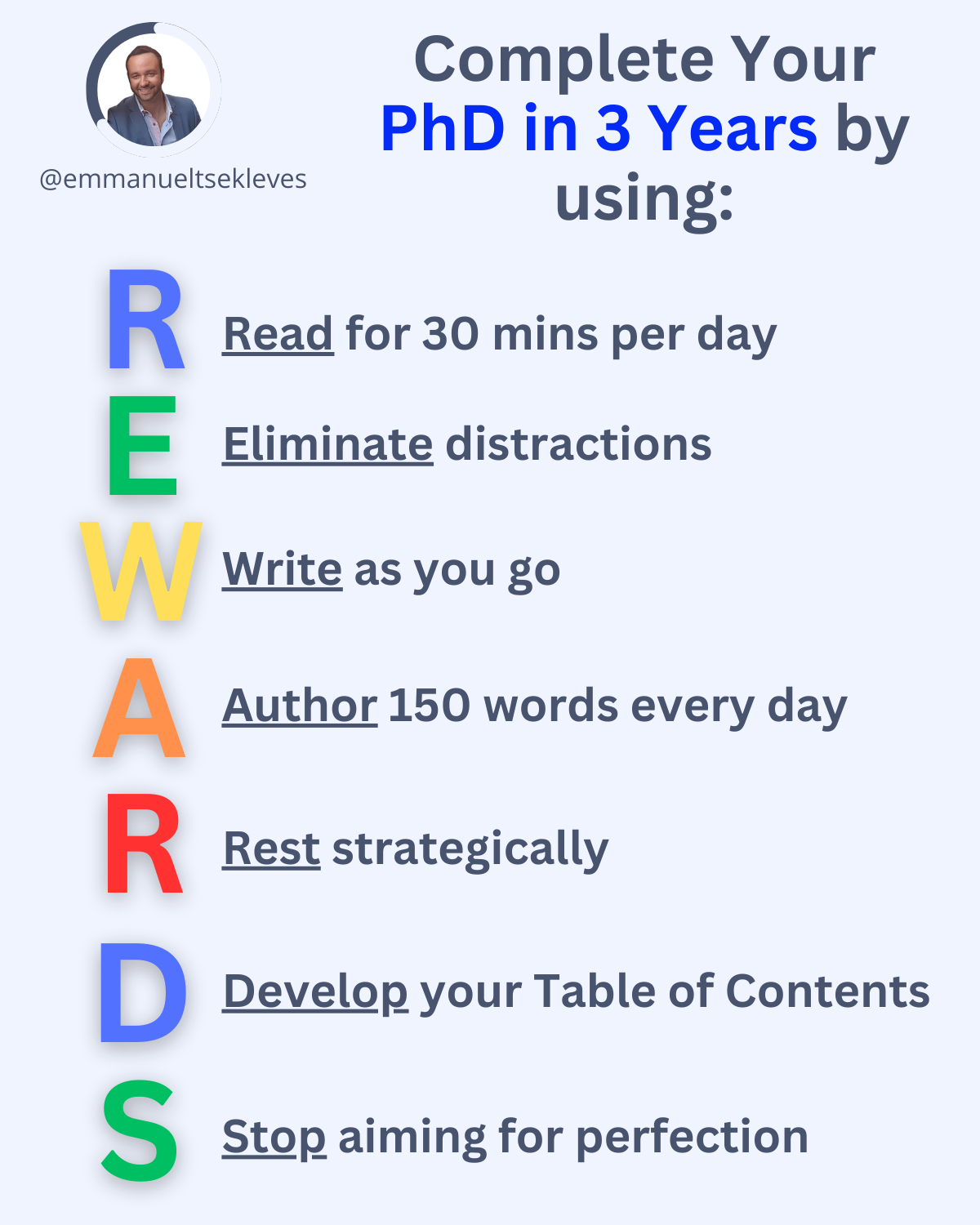
Key Takeaways:
- Feeling overwhelmed is normal and doesn't mean you're not capable of succeeding in your program
- Research progress is naturally slow compared to undergraduate projects with defined timelines
- Career uncertainty is built into the PhD experience so start exploring options early rather than avoiding the question
→ Your Action Plan for This Week
- Set up regular check-in meetings with your advisor to establish clear communication patterns
- Start a research journal to track small wins and learning progress
- Connect with one second or third-year student to learn about their first-year experience
What aspect of your first-year PhD experience has surprised you most?
Well, that’s it for today.
See you next week.
Whenever you're ready, there are 3 ways I can help you:
1. Get free actionable tips on how to complet your PhD and secure a tenure-track job in academia by following me on X, LinkedIn me Instagram and BlueSky
2. Take my proven Academic Job Accelerator Program that has helped hundreds of researchers secure academic positions, and start with my free training videos to learn the exact strategies hiring committees respond to.
3. Join my Premium 1:1 PhD Mentorship Program. I provide exclusive, results-driven support for professionals who need fast-track guidance on proposals and thesis completion. DM or email me to learn more about this premium consultancy for serious professionals ready to succeed quickly.
Responses