
Today, I'm sharing the exact 5-step system that helped me go from an unknown postdoc to being invited to speak at conferences.
11 June 2025
Read time: 3 minutes
Supporting our sponsors directly helps us continue delivering valuable content for FREE to you each week — your clicks make a difference!
FREE Webinar: Research Identity to Secure Job Secrets - Wed 18 June
I'm revealing why brilliant researchers can't explain what they do and lose job opportunities.
FREE webinar next Wednesday: 'The Research Identity Crisis: Why You Can't Explain What You Do.'
After seeing researchers fail the 60-second test in interviews, I'm sharing the identity framework that gets you hired.
Limited spots -> Registre for free here.
Have you wondered why some academics become household names in their fields while others with equally good research remain unknown?
It's not just about publishing more papers or working harder.
The most recognised researchers have something most academics never develop: a clear personal brand that makes them memorable and easy to recommend.
Today, I'm sharing the exact 5-step system that helped me go from an unknown postdoc to being invited to speak at conferences.
This isn't about becoming famous—it's about making sure your valuable work gets the recognition it deserves.

Early in my career, I published solid papers but remained invisible in my field.
I watched less productive colleagues get speaking invitations and job offers while I struggled to get noticed.
The turning point came when a senior researcher told me:
"You need to become known for something specific, not just 'good research.'"
I started studying academics who had strong personal brands and discovered they all followed similar patterns.
After implementing their strategies, I began receiving collaboration requests, media interviews, and conference invitations within six months.
Step #1: Pick Your One Big Thing
Most academics try to be known for everything they do. Successful personal brands focus on one specific thing they do better than anyone else.
How to do it: Complete this sentence: "I'm the person who studies ___________."
Fill in the blank with something specific enough that people can remember and explain to others.
Instead of "environmental science," try "how cities can use rooftops to fight climate change."
Step #2: Create Your Signature Content
Instead of writing random papers on different topics, create a consistent type of content that people associate with you.
How to do it: Choose one format that showcases your expertise:
- detailed case studies,
- comprehensive reviews,
- innovative methodologies,
- or practical frameworks.
Then create this type of content regularly.
Step #3: Use the Same Key Words Everywhere
Your personal brand needs consistent language that helps people find and remember you.
How to do it: Pick 3-5 key terms that describe your specialty.
Use these exact words in your bio, paper titles, conference presentations, and social media profiles.
When people see these terms, they should think of you.
Step #4: Share Your Knowledge Generously
The best personal brands come from helping others, not promoting yourself.
How to do it: Regularly share useful insights about your specialty through blog posts, social media, or simple explainer videos.
Answer questions from students and colleagues.
Become the person others turn to for information in your area.
Step #5: Connect Your Work to Bigger Issues
People remember research that connects to problems they care about.
How to do it: Always explain how your specific research relates to larger issues like health, education, technology, or social problems.
This makes your work relevant to people outside your immediate field.
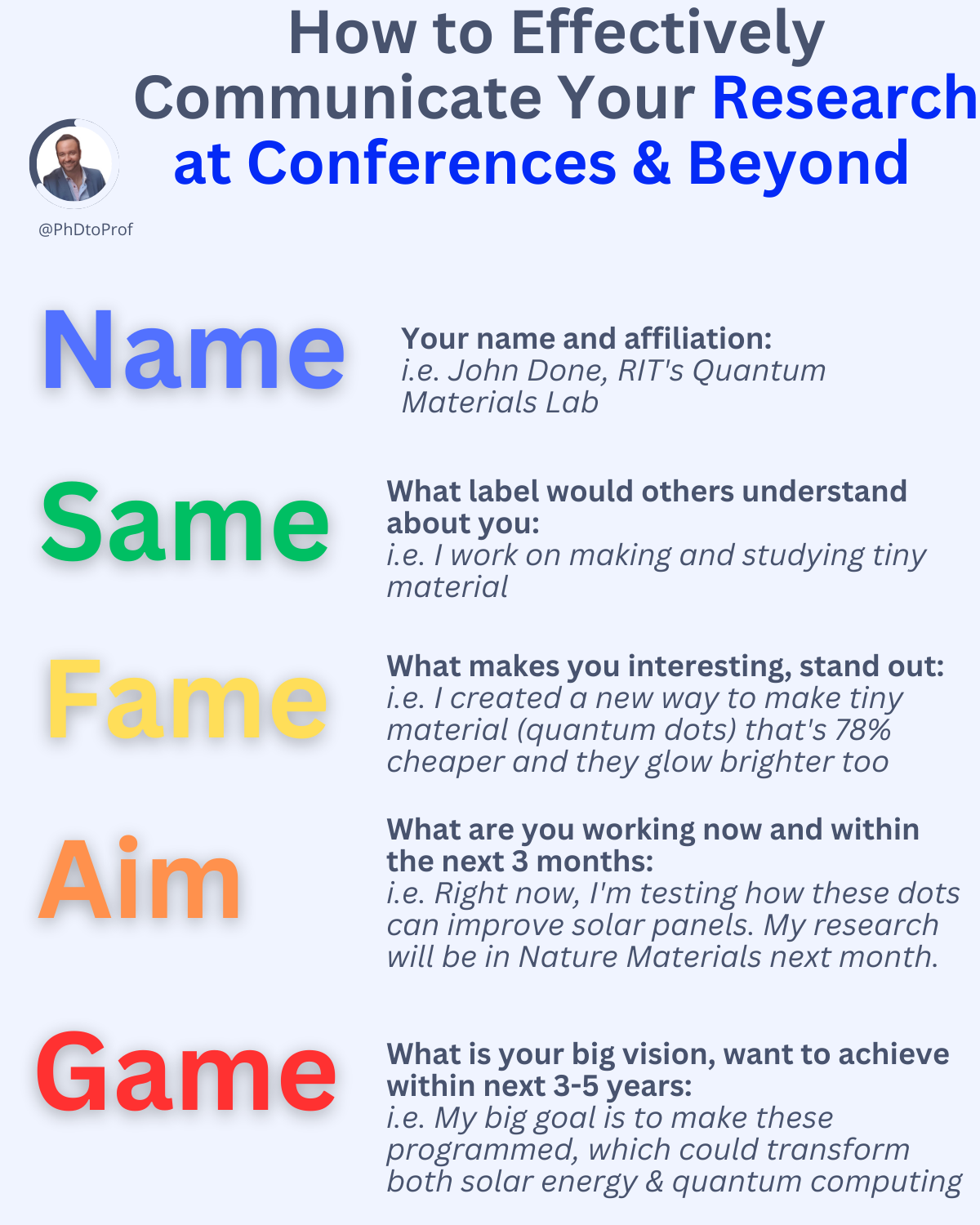
Key Takeaways:
- Focus on one specific thing you do better than anyone else, not everything you study
- Create consistent content in a signature format that people associate with you
- Share your knowledge generously to become the go-to expert others turn to for help
-
→ Your Action Plan for This Week
- Complete the sentence: "I'm the person who studies ___________" with something specific and memorable
- List 3-5 key terms that describe your specialty and start using them consistently
- Write one piece of helpful content (blog post, social media thread, or video) that shares your expertise
Ready to accelerate your academic personal brand?
Register for my FREE webinar next Wednesday and learn how to build your unique research identity.
Well, that’s it for today.
See you next week.
Whenever you're ready, there are 3 ways I can help you:
1. Get free actionable tips on how to secure a tenure-track job in academia by following me on X, LinkedIn me Instagram and BlueSky
2. Take my proven Academic Job Accelerator Program that has helped hundreds of researchers secure academic positions, or start with my free training videos to learn the exact strategies hiring committees respond to.
3. If you're ready to take your PhD application journey to the next level, join my PhD Application and Scholarship Masterclass waitlist. Click the link below to learn more and secure your spot.

Responses