Today, I'm sharing 8 warning signs I wish someone had told me before I spent 12 painful months with the wrong advisor.
14 May 2025
Read time: 3 minutes
Supporting our sponsors directly helps us continue delivering valuable content for FREE to you each week — your clicks make a difference!
My Academic Job Accelerator Program
Transform your academic job search with the 6P Success System - my proven framework that's helped hundreds of PhDs land positions at top institutions in just 6 weeks.Master the hidden rules of academic hiring, develop a standout research identity, and create application materials that get you noticed in 75 seconds or less.Limited spots available for our June cohort with early-bird pricing until May 30th - completely FREE videos to try out and assessment to determine if you're a good fit.
Bohrium AI
Transform your research process with Bohrium Science Navigator - the ethical AI research assistant that helped me cut my literature review from 3 months to just 3 days.
Access 160M+ verified academic papers, extract direct quotes with automatic citations, and create comprehensive literature maps with zero hallucinations.
Experience the perfect balance of AI efficiency and academic integrity - and the best part? It's completely FREE to use today.
Picking the right PhD advisor might be the most important choice of your academic life.
A good advisor helps your career soar, but the wrong one can make your PhD years miserable or even force you to quit.
Most students pick advisors based only on research topics or university rankings.
Today, I'm sharing 8 warning signs I wish someone had told me before I spent 12 painful months with the wrong advisor.
These simple checks have helped dozens of my readers find supportive mentors and avoid years of stress.
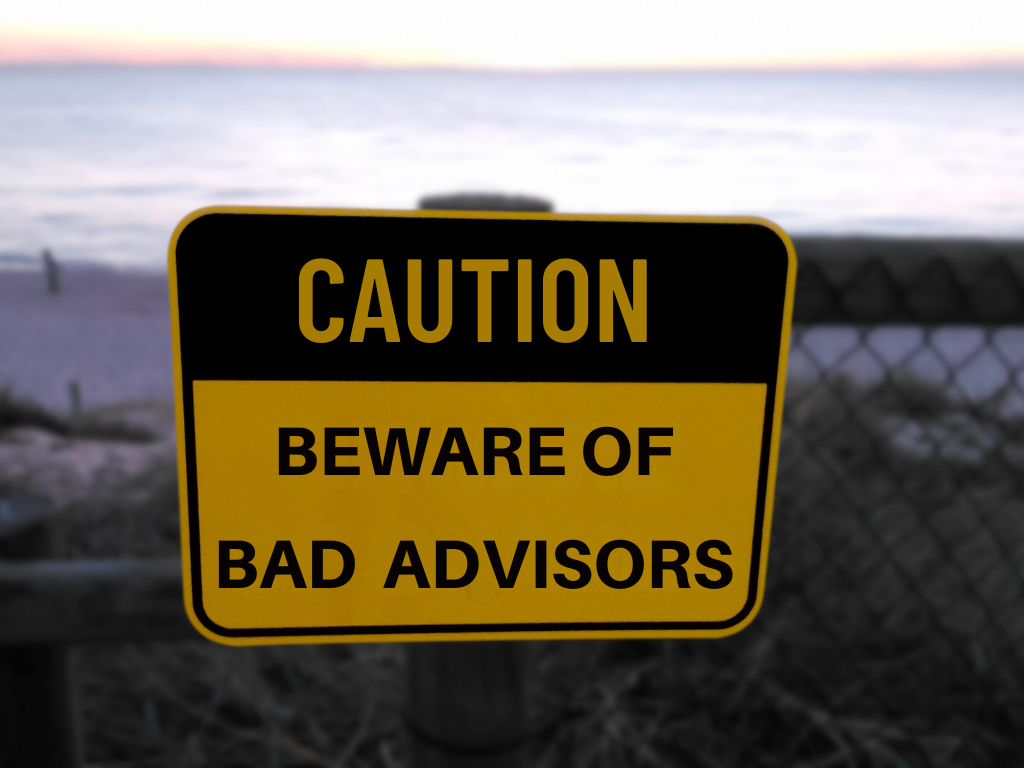
When I started my PhD, I chose an advisor with famous papers and lots of grant money.
What I didn't notice were the warning signs that made three students quit his lab in the three years before I joined.
After switching advisors (and losing nearly 12 months of work), I started asking successful PhD students and recent graduates how they picked their advisors.
Their insights helped me create this simple checklist of warning signs anyone can spot before making a commitment.
Warning Sign #1: Their students take too long to graduate
Most advisors will tell you their students finish in 4-5 years. Check if that's true.
How to check: Ask directly: "When did your last three students start and finish their PhDs?"
Then talk to current students to verify. If most students take 6+ years or can't predict when they'll finish, be careful.
Warning Sign #2: Their students aren't getting jobs they want
A good advisor helps students reach their career goals, whether in universities, industry, or elsewhere.
How to check: Ask: "Where are your last five students working now?"
Look for advisors whose students get the kinds of jobs you want. If they can't name where former students work, that's a bad sign.
Warning Sign #3: They're never around
Some professors are so busy with their own work that they barely meet with students.
How to check: Ask current students: "How often do you meet with the professor?" and "How long does it take to get feedback on your work?"
Good advisors make regular time for students and return work within 2-3 weeks.
Warning Sign #4: They pit students against each other
Bad advisors create unhealthy competition instead of teamwork.
How to check: Ask students: "How do lab members get along?" and "Do students help each other?"
Visit the lab to feel the mood yourself. If students look unhappy or scared around their advisor, run!
Warning Sign #5: They take credit for students' work
Good advisors help students shine. Bad ones put their names first on papers they barely helped with.
How to check: Look at their recent papers. If the advisor is always first author even when the work was clearly done by students, that's a red flag.
Ask students: "How does your advisor decide the order of names on papers?"
Warning Sign #6: They have a trail of students who quit
Nothing shows advisor problems more clearly than students who leave without finishing.
How to check: Ask directly: "Have any students left your lab before finishing?" and "Why did they leave?"
Then verify by finding and contacting these former students if possible.
Warning Sign #7: They block outside collaborations
Bad advisors control who their students work with, limiting their growth and connections.
How to check: Ask: "Would you support me if I wanted to collaborate with professors at other universities?" and
"Have your current students worked with other research groups?"
Warning Sign #8: They have angry former students
Ex-students can tell you the truth about an advisor.
How to check: Find and contact former students (through LinkedIn or department websites). Ask: "Would you choose this advisor again?"
Listen carefully to their tone, not just their words.
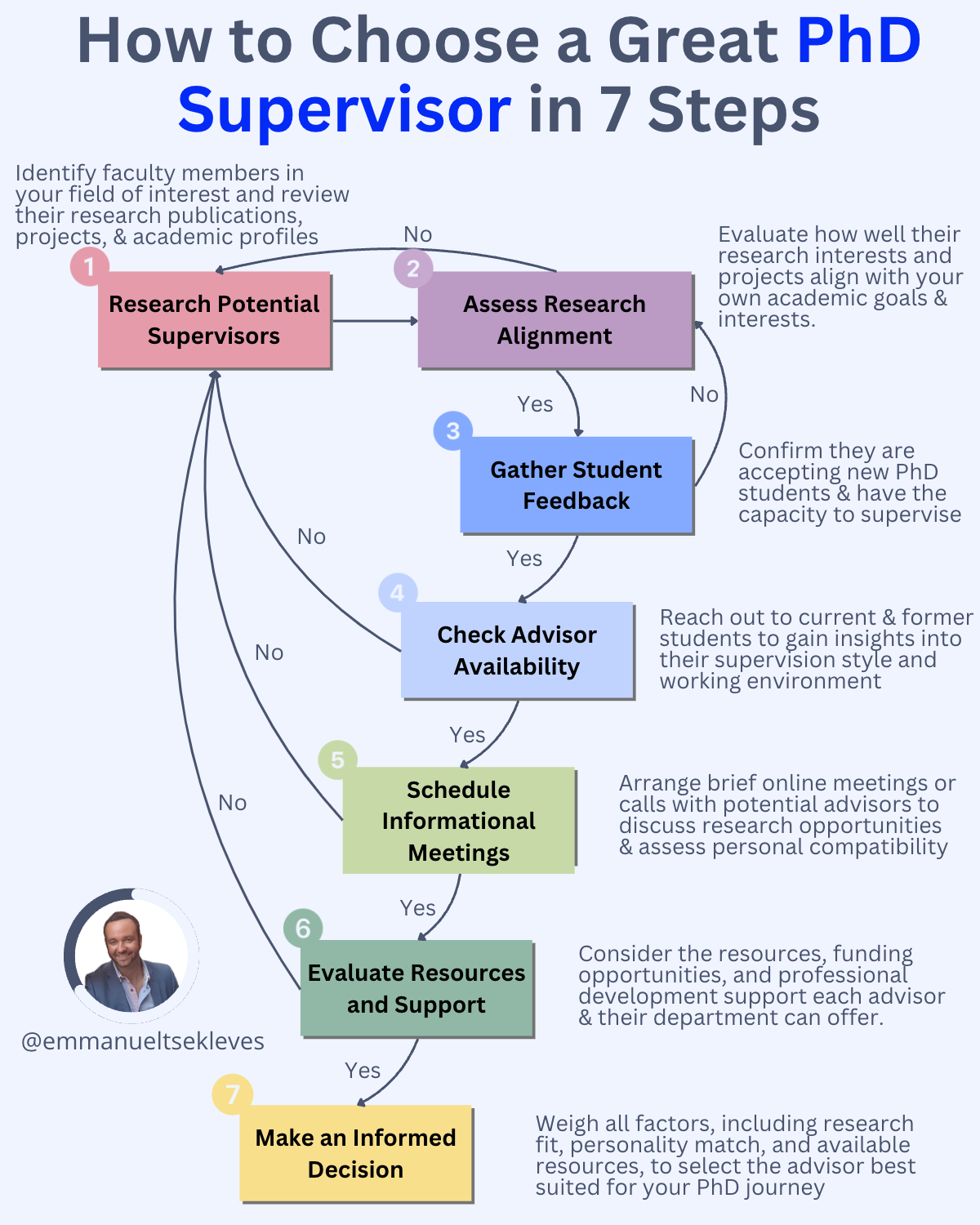
Key Takeaways:
- Look at their track record, not their promises - Check actual graduation times and job placements of previous students.
- Watch how they treat current students - The way they act with current students is how they'll treat you.
- Trust the pattern, not the exception - If multiple students have had problems, you probably will too, no matter how "different" you think you are.
-
→ Your Action Plan for This Week
This week, before you commit to any PhD advisor:
- Visit the lab or research group to watch how people interact
- Check graduation times and job placements for the last five years
- Talk to at least three current and two former students without the advisor present
Well, that’s it for today.
See you next week.
Whenever you're ready, there are 3 ways I can help you:
1. Get free actionable tips on how to secure a tenure-track job in academia by following me on X, LinkedIn me Instagram and BlueSky
2. Take my Academic Job Seekers Assessment quiz to receive personalised recommendations & discover my 6P Academic Job Accelerator Program.
3. If you're ready to take your PhD application journey to the next level, join my PhD Application and Scholarship Masterclass waitlist. Click the link below to learn more and secure your spot.
Responses