
Today, I'm sharing the exact system that helped me turn three years of dissertation reading into a polished 80-page literature review in a short period of time.
17 December 2025
Read time: 3 minutes
Supporting our sponsors directly helps me continue delivering valuable content for FREE to you each week. Your clicks make a difference! Thank you. Emmanuel
Finally: AI Paper Reading Without Hallucinations
47 open tabs. Papers you definitely read last week. Zero idea where that citation came from. Open Paper changes how you read research papers.
Read in split-pane view with your paper on the left and AI assistant on the right. Click any citation to jump straight to the source. Highlight and annotate while you read, then query across multiple papers in a project. You can even turn papers into audio summaries for your commute.
It's open source, transparent, and free to use. The AI doesn't think for you. It helps you think deeper.
👉 Try it free: openpaper.ai
Many PhD students make a costly mistake:
They read hundreds of papers, take scattered notes, and then start their literature review from scratch, essentially doing the work twice.
What if there was a system where every paper you read automatically fed into your dissertation, making your literature review write itself as you go?
Today, I'm sharing the exact system that helped me turn three years of dissertation reading into a polished 80-page literature review in a relatively short period of time.
This method has since helped dozens of my PhD students and mentees eliminate months of redundant work while creating more comprehensive, better-organized reviews.

During my first PhD year, I read over 200 papers and filled notebooks with highlights and random thoughts.
When I finally sat down to write my literature review, I faced a terrifying realization:
I couldn't remember most of what I'd read and my notes were useless for actually writing.
I essentially had to start over, wasting months of reading time.
This painful experience forced me to develop a different system.
Instead of separating reading from writing, I created a process where reading directly produced usable dissertation text.
By my third year, my literature review was 90% complete before I officially started "writing" it.
Step #1: Create Your Dissertation-Aligned Reading Template
Stop taking random notes and start creating organized content that fits directly into your dissertation structure.
How to do it:
- Before reading any paper, create a standard template with sections that match your planned dissertation chapters.
- Include categories like: key argument, methodology, main findings, theoretical framework, limitations, and connections to my research.
- For each paper you read, fill out this template immediately.
These become building blocks that slot directly into your dissertation sections later.
Step #2: Write Two-Sentence Summaries Immediately After Reading
Most students highlight passages but never convert them into their own words, making the content unusable for writing later.
How to do it: As soon as you finish reading each paper, write exactly two sentences summarizing it:
- one sentence describing what the study did,
- one sentence explaining what it found or argued.
- Write these in your own voice, not copied from the abstract.
These two-sentence summaries become the foundation of your literature review paragraphs.
String together related summaries and you've written a section.
Step #3: Organize Papers by Dissertation Themes, Not Chronologically
Stop organizing papers by when you read them or alphabetically by author. Organize by where they fit in your dissertation.
How to do it:
Create folders or documents for each major section of your planned dissertation:
- theoretical background,
- methodology debates,
- empirical findings on Topic A,
- empirical findings on Topic B, etc.
As you read each paper, immediately file your template notes into the relevant dissertation section.
When it's time to write, all related papers are already grouped together with notes ready to synthesize.
Step #4: Write Synthesis Paragraphs Monthly, Not All at Once
Instead of waiting to synthesize everything later, write mini-syntheses as you go.
How to do it: At the end of each month, review all papers you read that month.
For each dissertation section, write 1-2 paragraphs synthesizing how the new papers connect to previous readings. Identify patterns, contradictions, or gaps.
These monthly synthesis paragraphs accumulate into your complete literature review without the overwhelming task of synthesizing hundreds of papers simultaneously.
Step #5: Maintain a Running Gaps and Questions Document
Your literature review needs to identify gaps and justify your research. Track these insights as you read, not later.
How to do it:
- Keep a separate document listing gaps, contradictions, and unanswered questions you notice while reading.
- Include the citation and a brief note about the gap or question each paper reveals.
When writing your literature review's conclusion, this document provides ready-made content about what's missing from existing research and why your dissertation matters.
The Citation Management Integration
This system only works smoothly if your citation management supports it.
How to implement:
- Use citation software like Zotero, Mendeley, or EndNote with tags and folders that match your dissertation structure.
- Tag each paper with relevant themes and store your template notes in the software's notes field.
This integration means your literature search, note-taking, and citation management all feed into the same organized system that produces your literature review.
The Weekly Maintenance Routine
Consistency matters more than intensity with this system.
How to maintain:
- Set aside 2-3 hours weekly specifically for processing papers using this system.
- Read 3-5 papers, fill out templates immediately, file notes by dissertation section, and update your gaps document.
This steady pace prevents the overwhelming backlog that makes literature reviews feel impossible.
Converting Your Notes into Draft Text
When it's time to officially "write" your literature review, most of the work is already done.
How to convert:
- Open each dissertation section folder and review all your filed paper templates and monthly synthesis paragraphs. These become your first draft.
- Add transition sentences between paragraphs, reorganize for logical flow, and write introductory and concluding paragraphs for each section.
Most students following this system complete their literature review "writing" in 2-3 weeks because they're really just editing and organizing content they've already created.
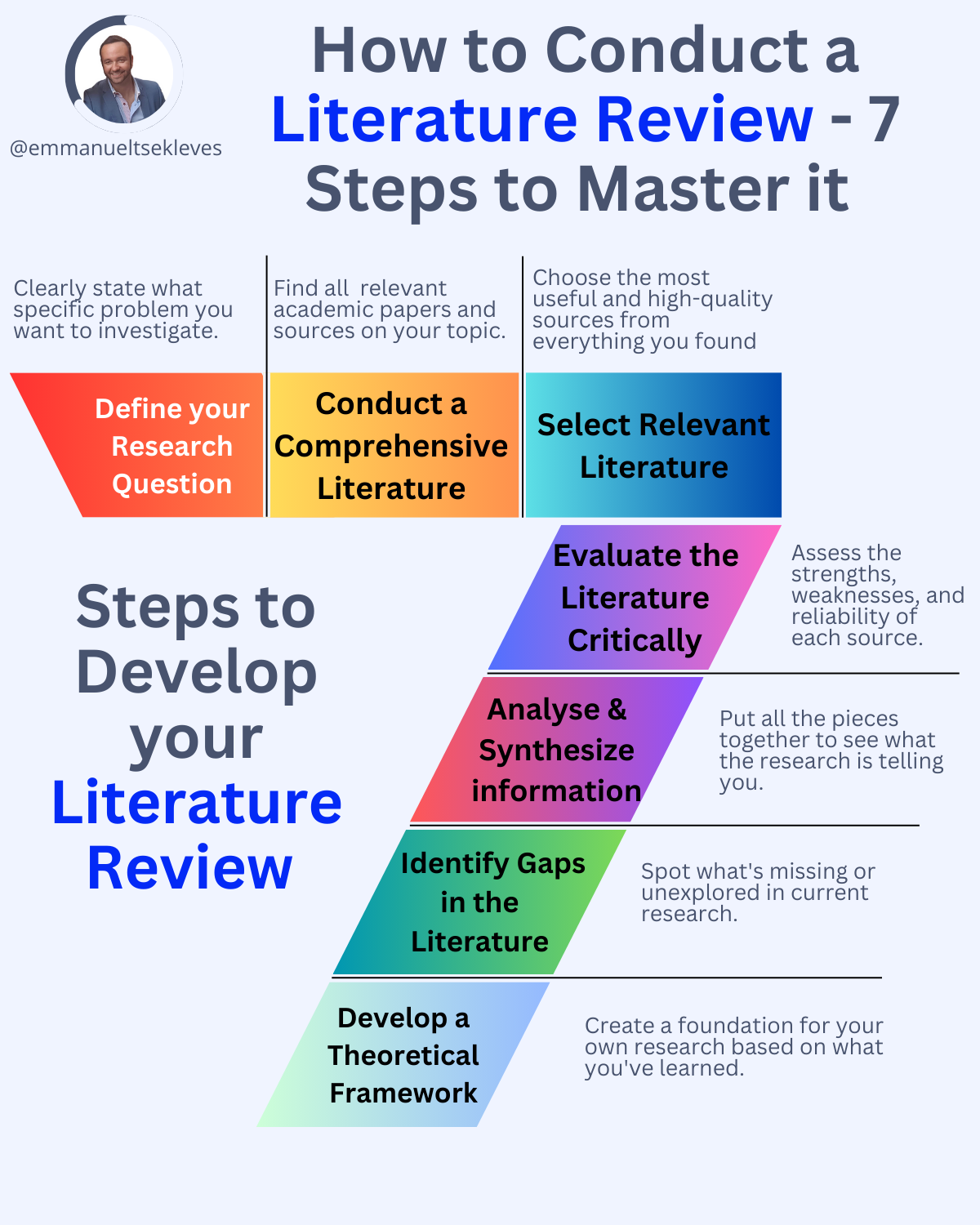
Key Takeaways:
- Use a standard template for every paper that aligns with your dissertation structure so notes feed directly into your writing
- Write synthesis paragraphs monthly to avoid the overwhelming task of synthesizing hundreds of papers at once
- Organize by dissertation themes from day one so related papers are already grouped when you're ready to write
→ Your Action Plan for This Week
- Create your dissertation-aligned reading template with categories matching your planned chapters
- Set up folders or tags in your citation manager that match your dissertation structure
- Read 2-3 papers using this new system and file the notes in appropriate dissertation sections
What's your biggest literature review challenge right now? Reply and share your specific struggles!
PhD while working full-time? Your supervisor doesn't understand your reality.
I've mentored 30+ working professionals to successful completion. I know exactly where you're losing time. Premium 1:1 mentorship for dedicated professionals with limited research hours.
Reply to this email for details.
Well, that’s it for today.
See you next week.
Whenever you're ready, there are 3 ways I can help you:
1. Get free actionable tips on how to complet your PhD and secure a tenure-track job in academia by following me on X, LinkedIn me Instagram and BlueSky
2. Join my Premium 1:1 PhD Mentorship Program. I provide exclusive, results-driven support for professionals who need fast-track guidance on proposals and thesis completion. DM or email me to learn more about this premium consultancy for serious professionals ready to succeed quickly.
Responses