
Today, I'm sharing the six-step recovery plan that helped one of my postdocs fix a serious AI error before publication and maintain their credibility throughout the process.
5 November 2025
Read time: 3 minutes
Supporting our sponsors directly helps me continue delivering valuable content for FREE to you each week. Your clicks make a difference! Thank you. Emmanuel
AI tools are powerful but imperfect, and eventually most researchers will discover they've made an AI-related mistake in their work.
Whether it's uncaught AI bias, undisclosed AI use, fabricated citations, or inaccurate analysis...
...these errors can damage your reputation and career if not handled properly.
The difference between a minor setback and a career-ending disaster is how quickly and transparently you respond.
Today, I'm sharing the six-step recovery plan that helped one of my postdocs fix a serious AI error before publication and maintain their credibility throughout the process.

Six months ago, one of my postdocs discovered a major problem in a manuscript already under review.
They had used an AI tool to help analyze data, and the tool had introduced a systematic bias they hadn't caught during verification.
The error affected several key findings in the paper.
We faced a critical decision about how to handle this mistake.
Using the recovery plan I'm sharing today, they transparently addressed the error, strengthened the research, and ultimately published a better paper while maintaining complete credibility with reviewers and editors.
The experience taught them both that mistakes happen, but how you handle them defines your professional integrity.
Step #1: Stop Using the Problematic Tool Immediately
The moment you discover an AI-related error, stop using that tool or process until you fully understand what went wrong.
How to respond: Don't compound the problem by continuing to use the faulty AI tool or process.
Pause all related work and assess the full scope of potential impact on your research.
Document exactly when you discovered the problem and what actions you took immediately afterward.
This timeline will be important for transparency later.
Step #2: Assess the Full Scope of the Impact
You need to understand exactly how far the error extends before you can fix it properly.
How to investigate:
- Review all work where you used the problematic AI tool or process.
- Check published papers, submitted manuscripts, conference presentations, and work in progress.
- Create a complete list of everything potentially affected.
- For each affected work, determine whether the error impacts minor details, major findings, or fundamental conclusions.
This assessment guides your next steps.
Step #3: Determine Your Disclosure Obligations
Different situations require different levels of disclosure to different audiences.
Who needs to know: If the error affects published work, you must notify the journal editor immediately.
If it affects work under review, contact the editor before they make a decision.
If it only affects unpublished work, you may not need external disclosure, but should document the error and correction internally.
Check your institution's research integrity policies to understand your formal obligations.
When in doubt, err on the side of more disclosure rather than less.
Step #4: Correct the Error Thoroughly and Document Everything
Simply fixing the mistake isn't enough.
You need to document exactly what went wrong and how you corrected it.
How to fix it properly:
- Redo the affected analysis using reliable methods.
- Compare the corrected results with the original flawed results to understand the impact of the error.
- Document every step of your correction process including what tools you used and how you verified accuracy.
- Create a detailed correction report even if you're not required to share it publicly.
This documentation protects you if questions arise later.
Step #5: Communicate Transparently with All Stakeholders
Honesty and transparency are your best protection when recovering from AI mistakes.
How to communicate:
- Contact affected parties promptly with a clear explanation of what happened, what you're doing to fix it, and the timeline for resolution.
- Use straightforward language without minimizing the error or making excuses.
For journal editors, offer to submit a correction, erratum, or retraction depending on the severity.
For co-authors, explain the situation and involve them in deciding next steps.
For your institution, follow their reporting procedures exactly.
Step #6: Implement Safeguards to Prevent Future Errors
Use this mistake as an opportunity to strengthen your AI use protocols going forward.
How to improve:
- Develop or update your AI verification checklist based on what you learned from this error.
- Add extra verification steps for the types of AI tools that caused problems.
- Create a peer review system where colleagues check your AI-assisted work before submission.
- Share what you learned with your research group or department to help others avoid similar mistakes.
This transparency demonstrates your commitment to research integrity.
The Severity Scale: Matching Response to Impact
Not all AI errors require the same response level.
Understanding severity helps you respond appropriately.
Minor errors: Small mistakes that don't affect conclusions might only require internal documentation and correction in future work.
Moderate errors: Mistakes that affect specific findings but not overall conclusions typically require author corrections or errata in published work.
Major errors: Problems that change fundamental conclusions require retractions, major revisions, or withdrawal of submitted manuscripts.
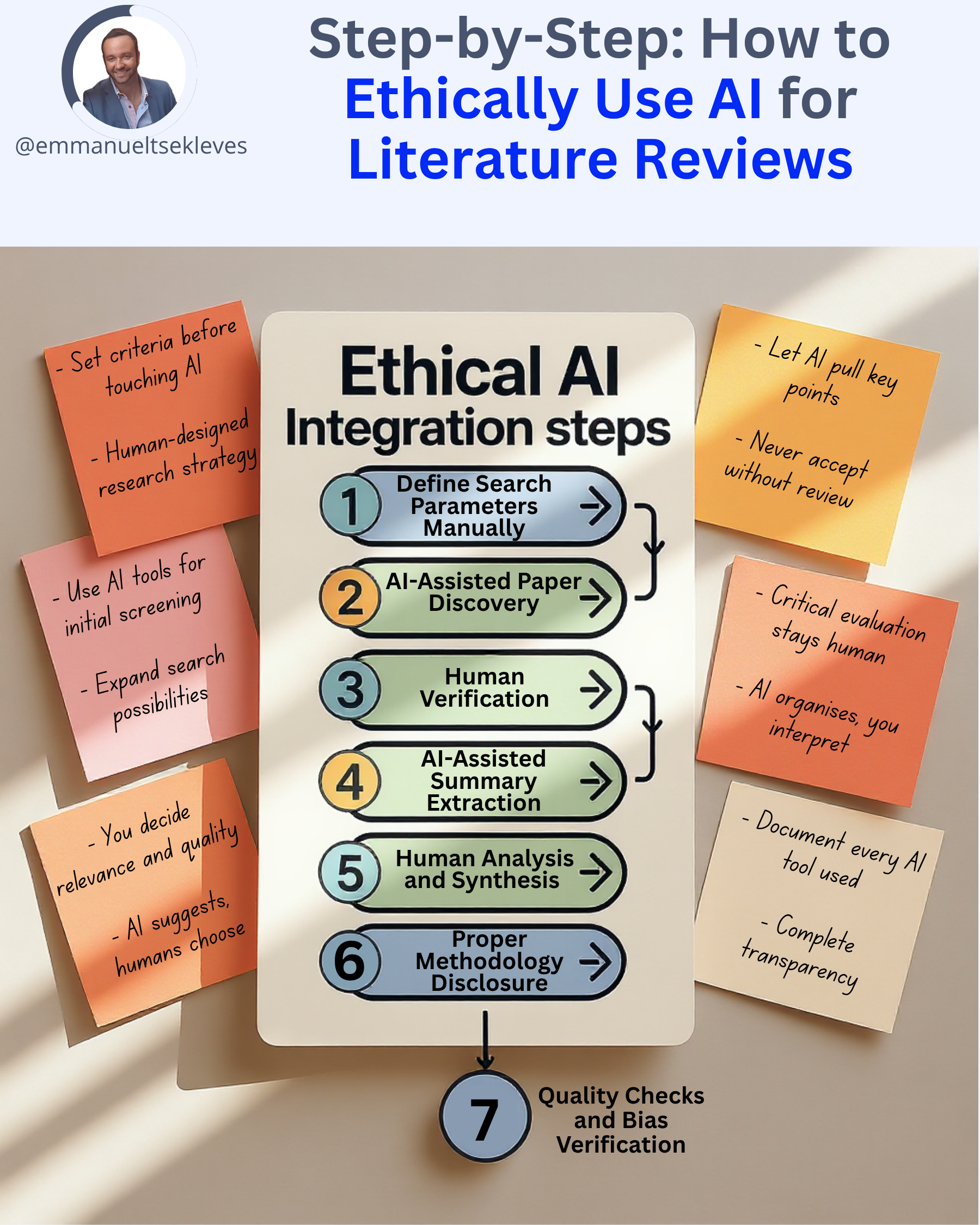
Key Takeaways:
- Act immediately and transparently when you discover AI-related errors rather than hoping no one notices
- Assess the full scope of impact across all your work before determining appropriate response
- Document everything thoroughly including the error, correction process, and preventive measures
→ Your Action Plan for This Week
- Create an AI error response plan before problems occur so you're prepared to act quickly
- Review your recent AI-assisted work specifically looking for potential errors or biases
- Establish a verification system with colleagues to catch AI mistakes before publication
Have you encountered AI-related errors in your research? Reply and share your experience!
Well, that’s it for today.
See you next week.
Whenever you're ready, there are 3 ways I can help you:
1. Get free actionable tips on how to complet your PhD and secure a tenure-track job in academia by following me on X, LinkedIn me Instagram and BlueSky
2. Take my proven Academic Job Accelerator Program that has helped hundreds of researchers secure academic positions, and start with my free training videos to learn the exact strategies hiring committees respond to.
3. Join my Premium 1:1 PhD Mentorship Program. I provide exclusive, results-driven support for professionals who need fast-track guidance on proposals and thesis completion. DM or email me to learn more about this premium consultancy for serious professionals ready to succeed quickly.
Responses